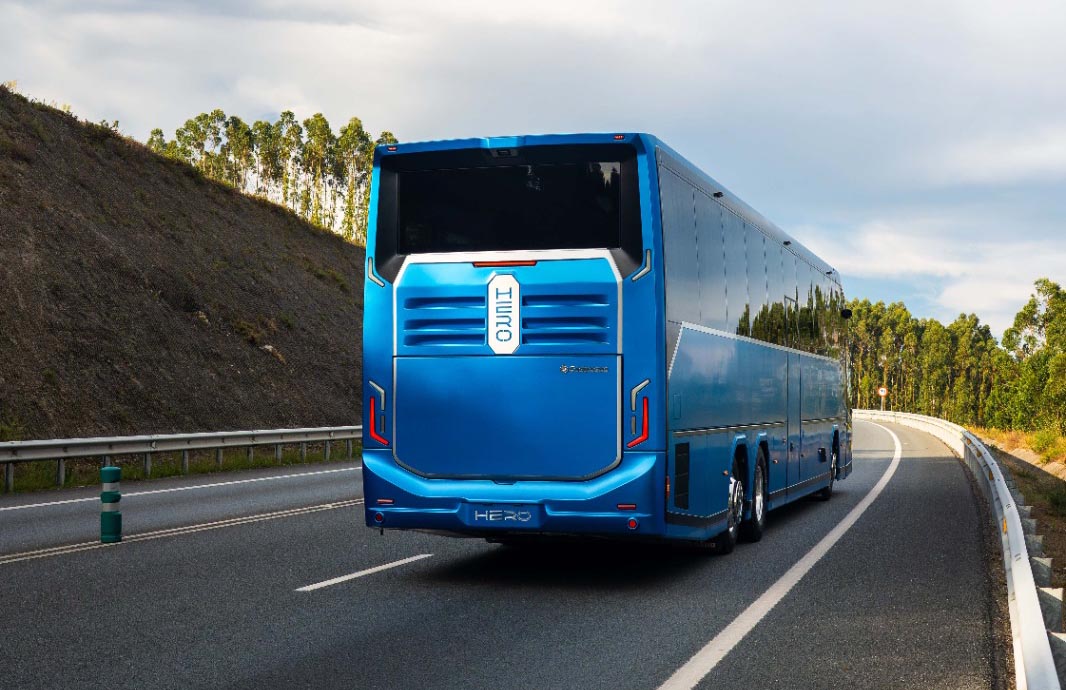

“It goes beyond what is expected of a coach”: this is how we presented our Master 36 body at the end of the 90s, with which we revolutionized the panorama of discretionary and long-distance transport. Its structure and exterior design were truly innovative, but even better was the interior of the coach, where the passenger felt like they were in a living room.
Master 36, how was it born?
We could say that the Master 36 body was born with the purpose of offering our clients an even more advanced coach than the Master 35. We already told you in a post about the Castrosua Master 35 vehicle, that this coach began to be produced in 1985 with a high-quality, strong, and regal structure; and the most innovative technology.
In the 1990s, Castrosua’s technical management relied on the best bus design and styling professionals to produce the Master 36 body, “We wanted to offer a style, the Castrosua style, something that makes those who own it and those who enjoy its use feel different,” read the catalog of the time.
What improvements did the Master 36 present in its design and equipment? Let’s see!
A great body with a great exterior design
The engineers of our group worked hard to make the exterior of this coach as pleasing to the eye as it was innovative. They achieved excellent results, demonstrating where Castrosua’s style was heading.
The team abandoned straight lines, sharp edges, or symmetrical windshields; instead, it incorporated delicate and soft curves, asymmetrical fronts, beautiful headlights, and modern rears into the design.

We recall some of the innovations in its exterior design:
Body:
- ST-44 quality steel structure
- Galvanized steel sheet sides
- Reinforced aluminum sheet arched doors
- Reinforced polyester in front, rear, roof, and foldable wheel arches.</li>
Paint: Base color with two-layer metallic process.
Access:
- German front and central pneumatic opening doors.
- Driver’s door with electric window.
- Luggage compartment doors with pneumatic opening.
Glass and mirrors:
- Grey parsol glass.
- Exterior mirrors with anti-fog.
- Exterior mirrors with electric adjustment and protective housing (optional).
Ventilation: Two roof hatches.
These innovations greatly influenced the design of other luxury coaches from different bodywork companies.
The first-class interior of the Master 36 body
In any case, it was the interior of the Master 36 body that made this coach a first-class vehicle. In the catalog used for its presentation, Castrosua warned that the interior equipment of this luxury coach was almost as comfortable as that of a living room.

At that time, we also highlighted “the relaxing colors of the Master 36 interior, the seats with ample legroom and reclining backrests, individual lighting, air conditioning, and heating.” This was the interior of this first-class coach:
Equipment:
- Reclining seats with carpeted cushion and backrest center.
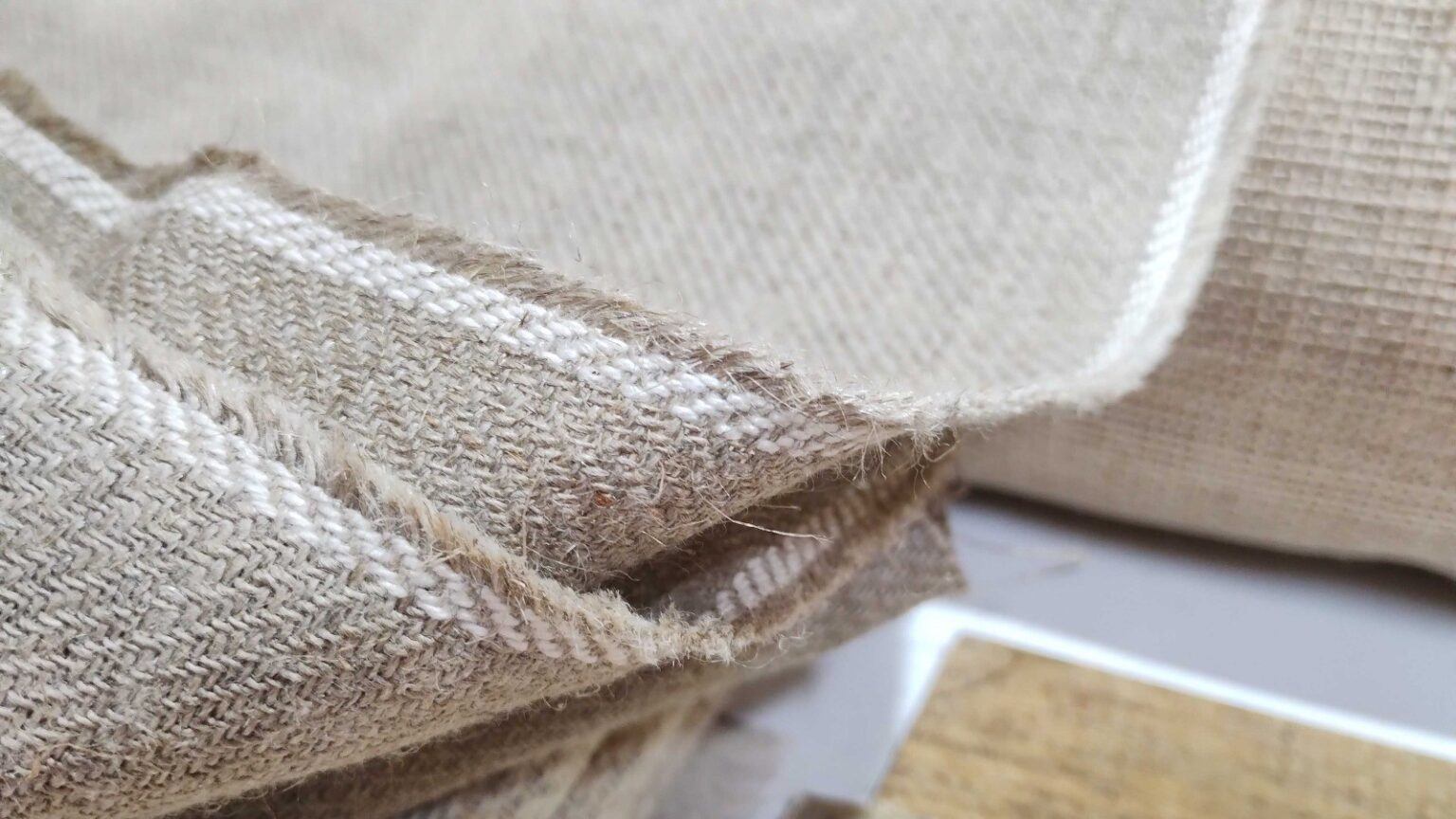
- Seat backs in high-strength textile material.
- Pneumatic driver’s seat with headrest and lockable compartment.
- Guide seat upholstered like the other seats.
- Upholstered ceiling center and luggage racks.
- Integrated electric refrigerator in the dashboard.
- School regulations.
- Removable stereo radio-cassette player with speakers for the driver, guide, and passengers.
- Amplifier and microphones for the driver and guide.
- Video equipment with one monitor and pre-installation for a second monitor.
- Pre-installation and roof antenna for 900 MHz mobile telephony.
- Individual jet-type panels, with light, air diffuser, and buzzer.
- Side curtains on all windows.
- Interior decoration in blue, green, or red tones.
Heating and air conditioning:
- Convection heating on both sides.
- Anti-fog system with outside air intake.
- Air conditioning with ecological gas.
- Air conditioning condenser and evaporators located on the roof. <
Optional equipment:
- W. C. cabin.
- Pre-heater.
- Coffee maker unit.
- Second video monitor.
- Luggage rack covers.
- Double side glazing.
- Climate control.
- CD player.
- Telephone.
During the production period of the Master 36, the body was manufactured with 48, 50, or 55 seats. These were comfortable seats, designed for passenger satisfaction. The space reserved for the driver was also not neglected; the driver’s area was designed for maximum ergonomics.
An improved driver’s area
Castrosua wanted the driver’s area of a coach like the Master 36 to also be first-class. The pneumatic seat with headrest and the electric window door increased the worker’s comfort.

Furthermore, the engineers involved in the design of this body wanted everything to be within the driver’s reach: the layout of the controls made them easy to use.
In this way, the ergonomic distribution of the driver’s area allowed for maximum performance with minimum fatigue.
In our pursuit of continuous improvement, in 2011 we updated our offering for intercity or discretionary transport and launched the Stellae body, which is still manufactured today. The Stellae coach, which represented an added value of trust and quality, replaced the Master 36; however, several Master 36 units are still circulating on Spanish roads. For example, the Master 36 is one of the most representative vehicles of the TITSA company (Transportes Interurbanos de Tenerife), to the point that this body has been included in models showing life on the island.
Were you one of those passengers or drivers who experienced the comfort of the Castrosua Master 36 body? We’d love to read about your experience in the comments!